If you're new to skincare, the internet will try to sell you a 12-step routine with serums, essences, toners, ampoules, and whatever a "skin essence water" is. Ignore all of it.
Here's the truth: a good beginner routine has three steps. That's it. You can add more later if you want, but these three will do more for your skin than 90% of the complicated routines people post online.
The three-step starter routine
Step one: cleanser. Step two: moisturizer. Step three: sunscreen. Done.
This isn't oversimplified. It's what dermatologists actually recommend for people starting out. The goal is to clean your skin without stripping it, keep it hydrated, and protect it from UV damage (the single biggest cause of visible aging).
Step 1: cleanser
Use a gentle, non-foaming cleanser. The ones that foam up and make your skin feel "squeaky clean" are stripping your natural oils. That tight feeling isn't clean, it's damage.
Look for cleansers labeled "gentle," "hydrating," or "for sensitive skin" even if you don't think your skin is sensitive. Ingredients to look for: glycerin, ceramides, hyaluronic acid. Ingredients to avoid in a cleanser: alcohol (high on the list), fragrance (unnecessary irritant), sulfates (the foaming agents that strip oils).
For a natural option, raw honey works as a cleanser. Massage a small amount onto damp skin for 60 seconds and rinse. It's antibacterial, gentle, and doesn't disrupt your skin's pH.
Wash your face twice a day. Morning and night. Lukewarm water, not hot.
Step 2: moisturizer
Even oily skin needs moisturizer. When you skip it, your skin overproduces oil to compensate for the dryness, making oily skin oilier. Moisturizer breaks that cycle.
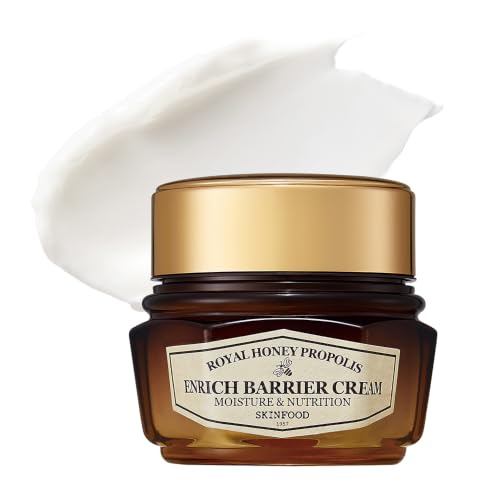
For dry skin, look for thicker creams with shea butter, ceramides, or beeswax. Weleda Skin Food is a solid natural option. For oily skin, look for lightweight, oil-free gel moisturizers. Aloe-based formulas work well.
Apply to slightly damp skin right after cleansing. This locks in the water already on your face.
Step 3: spf (morning only)
Sunscreen is the most important anti-aging product you can use. Not retinol, not vitamin C, not collagen supplements. Sunscreen.
UV damage causes wrinkles, dark spots, texture changes, and significantly increases skin cancer risk. SPF 30 is the minimum. SPF 50 is better if you can find one you'll actually wear daily.
Mineral sunscreens (zinc oxide, titanium dioxide) are the most "natural" option. They sit on top of your skin and reflect UV rays. The downside is they can leave a white cast, especially on darker skin tones. Newer formulations have largely fixed this.
Apply a quarter-teaspoon to your face (more than you think) as the last step of your morning routine.
What you don't need yet
Toner: not harmful, but not essential for a beginner. Some toners add hydration (good), some are astringent and drying (bad). Skip it for month one.
Serum: vitamin C, niacinamide, hyaluronic acid serums are all fine products. But layering actives when you haven't established a basic routine leads to irritation and confusion about what's working.
Exfoliant: your cleanser is already providing mild exfoliation. Adding chemical or physical exfoliants too soon is the number one way beginners damage their skin barrier.
Eye cream: it's just moisturizer in a smaller, more expensive jar. Use your regular moisturizer around your eyes.
When to add more
After one month of consistent cleanse-moisturize-SPF, your skin will tell you what it needs. Still dry? Look into a hydrating serum. Breaking out? Consider a gentle BHA. Uneven tone? Vitamin C serum. Add one product at a time, wait two weeks before adding another, and keep it simple.
The bottom line
Three products. Morning and night (skip SPF at night). Consistent use matters more than expensive products. The best skincare routine is the one you'll actually do every day, and a three-step routine is something you'll stick with.