Skincare labels are designed to confuse you. Long Latin names, percentages that don't add up, and marketing terms that sound scientific but mean nothing legally. Once you know a few rules, you can read any label in 30 seconds and know whether a product is worth your money.
The first five rule
Ingredients are listed by concentration, highest to lowest. The first five ingredients make up the bulk of the product. Everything after that is present in small amounts, sometimes less than 1%.
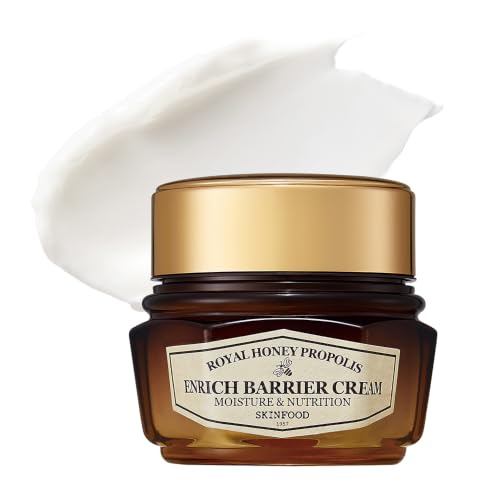
This means if a product markets itself as a "honey moisturizer" but honey (Mel) is the 15th ingredient, there's barely any in there. It's a marketing angle, not a formulation choice. Check where the key ingredients actually fall on the list.
Water (aqua) is almost always first. That's fine. After water, you want to see the active ingredients the product is selling you. If they're buried at the bottom, you're paying for marketing.
What "natural" means legally
Nothing. The word "natural" has no legal definition in the cosmetics industry. The FDA does not regulate or define this term. A product can be 95% synthetic and call itself natural. Same goes for "clean," "green," and "pure." These are marketing terms with zero regulatory backing.
"Organic" is slightly more meaningful but still tricky. The USDA organic seal requires 95% organic ingredients. But a product can say "made with organic ingredients" with as few as 70% organic content. And "organic" says nothing about efficacy.
"Dermatologist tested" means a dermatologist looked at it. It doesn't mean they approved it, recommended it, or that the testing showed positive results. It's a low bar that almost any product can clear.
"Hypoallergenic" is another unregulated term. There are no standards a product must meet to use it.
Red flag ingredients
These aren't necessarily dangerous, but they're worth knowing about:
Fragrance (parfum): this single word can hide dozens of undisclosed chemicals. Fragrance is one of the most common causes of contact dermatitis. If a product lists "fragrance" or "parfum" and you have sensitive skin, proceed with caution.
Alcohol denat (denatured alcohol): drying and potentially irritating, especially in high concentrations. Fine as a minor ingredient for product texture, problematic when it's in the top five. Not the same as fatty alcohols (cetyl alcohol, cetearyl alcohol), which are actually moisturizing.
Formaldehyde-releasing preservatives: DMDM hydantoin, diazolidinyl urea, imidazolidinyl urea. These slowly release small amounts of formaldehyde as a preservative. Some people are sensitive to these. They're legal and considered safe at regulated levels, but alternatives exist.
Sodium lauryl sulfate (SLS): a harsh surfactant that can irritate skin and strip natural oils. Common in cleansers and body washes. Sodium laureth sulfate (SLES) is a gentler cousin.
Green flag ingredients
Hyaluronic acid: holds up to 1000x its weight in water. Excellent humectant for hydration. Works in serums and moisturizers.
Niacinamide (vitamin B3): improves skin barrier, reduces pore appearance, evens skin tone, and reduces inflammation. Well-tolerated by most skin types. One of the most versatile actives available.
Ceramides: your skin barrier is already made of ceramides. Adding them topically helps repair and maintain that barrier. Great for dry, sensitive, or compromised skin.
Glycerin: a simple humectant that draws moisture to skin. Cheap, effective, and found in most good moisturizers. If glycerin is in the top five, that's a good sign for hydration.
Centella Asiatica (cica): anti-inflammatory and supports wound healing. Popular in K-beauty for calming irritated or acne-prone skin.
Squalane: lightweight oil that mimics your skin's natural sebum. Hydrating without being heavy or pore-clogging. Good for all skin types.
Honey (mel) and propolis: antibacterial, anti-inflammatory, humectant. Great in masks and moisturizers. Manuka honey has additional methylglyoxal benefits.
The 1% line
Many ingredient lists have a "1% line" where concentration drops below 1%. You can often identify it because preservatives (phenoxyethanol, potassium sorbate) and fragrance typically appear around this threshold. Anything after these is present in very small amounts.
This matters because active ingredients below 1% are often too diluted to do much. If a product charges a premium for an ingredient that's below the 1% line, you're not getting what you're paying for.
Practical label reading
When evaluating a product: check the first five ingredients to understand what the product actually is. Find where the marketed "hero" ingredients sit on the list. Look for red flag ingredients if you have sensitive skin. Ignore marketing terms on the front. The back label is the truth.
The bottom line
Reading skincare labels is simpler than the industry wants you to think. Five minutes of understanding the basics saves you from overpaying for water with fancy marketing. The ingredients list is the one honest part of the packaging. Learn to read it and you'll make better choices with less effort.